Intuition vs Logic in Alles Spitze Slot for British Discussion
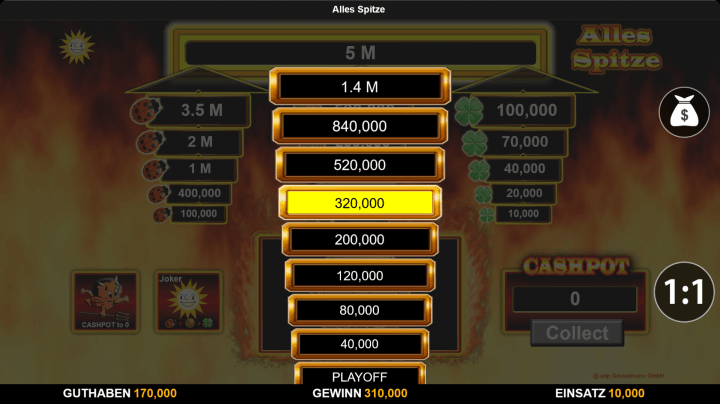
The online slot Alles Spitze transforms every spin into a quiet clash https://allesspitze.eu/. Would you trust your gut, or adhere to the data? This is not only about winning or failure. It’s a direct conflict between two approaches, played out across its vivid, loud reels. The game’s layout and features make it a ideal place to watch how intuition and rationality influence every move a player takes, from the amount of their bet to the time they walk away.
Psychological Triggers Within the Slot Design
Alles Spitze’s design masterfully powers this psychological conflict. The developers use techniques that address both intuitive and logical thinking. Triumphant sounds, animated sequences, and visual cues for near-wins engage the intuitive side, creating a sense of agency and anticipation that logic can’t justify.
- Sensory Feedback: Wins come with distinct sounds and animations. This positive reinforcement operates at an intuitive level, even when the win is tiny. Losses, on the other hand, often get a neutral or minimal response. This softens the blow and holds players in their seats.
- Illusion of Control: Features like manual “stop” buttons or interactive bonus rounds satisfy the logical desire for agency. Pressing the stop button doesn’t change the outcome, but the simple act of doing it fulfills a deep need to participate, to be more than just a spectator.
- Unpredictable Reward Patterns: The unpredictable timing of bonuses leverages a core psychological principle. It holds both intuition and logic constantly engaged. The brain’s reward centres fire hardest when a reward is anticipated, not when it’s a sure thing. This schedule is what makes repetitive play so engaging.
- Losses Masquerading as Wins: This is a major trigger. It occurs when a spin pays back less than your original bet, but the game still produces winning sounds and animations. The intuitive brain perceives a win, overriding the logical fact that you actually lost money. It’s a powerful trick that encourages you to keep playing.
None of this is by chance. These elements are crafted to sustain engagement by addressing both sides of your brain. The debate between intuition and logic is baked into the game’s design. The energetic “party” theme reduces your inhibitions for intuitive play, while the clear displays of bet amounts and balance provide the logical mind the data it craves.
Defining the Instinctive Player’s Approach
The intuitive player heeds a unique kind of signal. They aren’t calculating numbers. They’re feeling the rhythm of the game. This player could increase their bet because the machine feels “hot,” or because they have a hunch the bonus is about to land. They go with impulse, changing their strategy on a whim rather than adhering to a plan.
For them, the game is about enjoyment and emotion. They are immersed in the sensory feedback: the celebratory jingle, the heart-skip of a near-miss, the jolt of a surprise win. The session is a story they’re playing out, where enjoyment is the main point. The statistics are a boring footnote.
They construct this story on a personal kind of pattern recognition. Maybe they observed the last two bonuses came after a specific sequence of blank spins and a particular sound. They’ll start looking for that pattern again, even though the RNG doesn’t work that way. This taps into a deep human need to find cause and effect. It transforms a string of random events into a personal tale of luck and timing.
The game’s theme captivates them, too. Alles Spitze has a vibrant German party vibe, all bright colours and upbeat music. It’s crafted to lift your mood and encourage a celebratory, spontaneous style. The intuitive player goes with this wave. They let the game’s energy dictate their betting tempo and their decision to carry on or stop. “It just feels right tonight,” is a totally acceptable reason for anything they do.
Combining Approaches for Well-Rounded Play
The cleverest way to play Alles Spitze could be not to choose a side, but to combine them. A balanced player begins with a analytical foundation: a clear budget, a grasp of the rules, and an acknowledgment of the RNG. Then, they let intuition steer the less significant decisions within that protected space. This hybrid approach respects the mathematics without overlooking the human desire for fun.
For example, a player may logically resolve to allocate a predetermined amount on a session. Once that limit is defined, they could intuitively opt to bump their bet up a little during a exciting bonus round, or move to auto-spin for a while. This integration acknowledges that slots are entertainment. Pure logic alone can make them uninspiring, but gut feeling can lead to careless play.
A useful blend includes a versatile playbook. The analytical foundation includes a firm deposit limit and a session timer. The intuitive layer then controls the tempo. Perhaps you initiate with smaller bets to “get a feel” for the game, then adjust based on the flow, all while keeping within your fiscal guardrails. You use logic to create the cage, but let intuition be the bird inside.
This well-rounded mindset also shifts the goal. The aim transitions from winning money to purchasing entertainment. When you logically plan £20 for two hours of fun, any win is a bonus that lengthens the show. Intuition then makes that show more engaging by adding spontaneity. The player who blends both comprehends the real “win” is an delightful, controlled experience. The debate between intuition and logic isn’t a battle to be achieved. It’s part of the show.
The conflict between intuition and logic in Alles Spitze echoes a widespread struggle in how we make decisions. It shows that gaming is far from a passive activity. It’s a vibrant cognitive landscape. By recognizing the value in both instinct and analysis, players can develop a more conscious and enjoyable relationship with the game. You can value it for what it is: a mathematical puzzle wrapped inside a engrossing story.
The Strategic Planner’s Analytical Approach
The rational thinker treats Alles Spitze like a set of problems to tackle. They commence with the given factors. Their priorities are money management, a strong understanding of the rules, and the cold hard facts of probability. Each choice is deliberate. They determine stop-losses, pick bet sizes as a percentage of their bankroll, and understand the exact rules for unlocking each bonus.
This approach is founded on unemotional evaluation. They recognize the RNG’s randomness, but they employ each piece of accessible data to reach educated selections. Their objective is to extend their playing time, manage exposure, and derive the greatest advantage from any bonuses. The gaming session is a deliberate exercise, not an sentimental ride.
Readiness is key. Before spinning, they’ll have learned the game’s stated RTP (usually around 96%) and its risk level. They comprehend that a high-volatility slot like Alles Spitze indicates fewer payouts, but the wins can be larger. This fact determines their complete money management plan. They’ll fund their session with enough to weather a losing period, often staking in modest, consistent units.
Their approach to promotions is equally as systematic. They are aware of the typical return from the complimentary rounds segment. If there’s a “Bonus Buy” feature, they’ll compare its expense to that typical value. Is the initial fee justified, or does it just consume their balance? Each selection is a cost-benefit evaluation. They discard the glitzy display to examine the numerical framework underneath, all to optimize their enjoyment per unit of currency wagered.
Where Intuition and Logic Meet in Gameplay
The most gripping moments in Alles Spitze happen precisely where these two mindsets intersect. Think about the choice to purchase a bonus feature versus holding out for it to trigger naturally. Logic points to the cost versus the average return. Intuition whispers that buying the bonus might snap a cold streak. Or after a string of losses, logic recommends follow the plan. Intuition urges to change the bet level, now.
Then there’s the decision to cease. The logical player has predetermined limits. But intuition might beg for “just five more spins” when luck seems close, or shout to quit early during a downturn that appears endless. These internal arguments are the real game within the game, a constant back-and-forth between heart and mind.
The collision is fiercest during a winning streak. Logic recognizes about regression to the mean. It alerts that a streak is just a random cluster in a long sequence, and recommends keeping the original bet size. Intuition reads the streak as a shift in the universe. The machine is “hot,” and it’s time to bet bigger to ride the wave. This fundamental disagreement on what randomness actually appears like creates a powerful cognitive dissonance every player must encounter.
The clash doesn’t stop in the bonus rounds. Alles Spitze often includes pick-and-click features where you select from several options. Logic claims the outcome is predetermined; there is no right choice. Yet intuition will have you searching for visual clues, hesitating over a certain box, or following a “lucky feeling” about a particular symbol. It’s a way of imbuing a random event with personal meaning and a sense of control.
The Basic Mechanics of Alles Spitze Slot
You need to know the rules before choosing a side. Alles Spitze is a video slot made for enjoyment, loaded with interactive features. It operates on a familiar grid of reels and paylines, where you align matching symbols to get a win. You’ll find the usual collection of icons: standard symbols, wilds, and scatters.
Its real personality comes through in the bonus rounds, free spins, and special symbols that open the door to bigger payouts. The game’s character is defined by numbers like its volatility and its Return to Player (RTP) percentage. These figures create a mathematical framework. For the logical player, this framework is the only map they want. It reveals to them the lay of the land before they place their first bet.
Take the bonus round in Alles Spitze. It’s hardly ever a simple, one-off event. More frequently, it’s a multi-stage affair that demands you make choices. Each choice is a tiny drama. Do you go for the bigger multiplier, or take the safer, smaller win? The game’s volatility isn’t just a label; it’s expressed in the symbols you see. Low-paying symbols pop up often, keeping the screen busy. The high-value ones are harder to find, creating a tension that sparks both gut feelings and cold calculations.
Underneath all the flashing lights, a Random Number Generator (RNG) is operating. This is the immutable rule of the land. It guarantees every spin is independent and random. The logical player accepts this as fact. But the game’s presentation—the way the reels sometimes slow down for drama, the fireworks on a win—tells a different, more intuitive story. It turns randomness seem like fate, and that’s where the debate truly begins.
Risk Assessment: Intuition Against Statistical Odds
This is where gut feeling and analysis diverge most dramatically. Risk assessment based on intuition is immediate and emotional. It’s grounded in recent events. A large win can downplay the danger of risk. A defeat can make danger seem everywhere. This is the realm of the gambler’s mistake, a typical instinctive mistake.
Reasoned risk analysis relies on the unchangeable math of the game. It encompasses grasping variance and the house advantage. The rational player knows each spin is independent. Past results are irrelevant. They evaluate risk according to their bankroll and the statistical distribution of potential results, not on a passing emotion.
The instinctive hunch about risk often comes from thinking shortcuts, or heuristics. The “ease-of-recall bias” means you judge the danger of loss by how quickly you can recall recent losses. After a few bad spins, risk feels huge. After a victory, it feels tiny. Logical assessment uses a pre-commitment strategy to counter this tendency. By establishing a loss cap in advance and sticking to it regardless of circumstances, the reasoned player establishes a defense against intuitive misjudgment.
They also view the bonus buy feature in a different way. Gut feeling might view the upfront cost as a guaranteed path to entertainment, a way to sidestep the “hazard” of missing the bonus trigger. Reason views that same expense as an further house advantage, a premium for the sake of certainty that, over time, will diminish your total return. One interpretation sees it as lowering danger, the other sees it as diminishing worth. The same mechanic, viewed through two completely distinct ways of thinking.