The psychology of gambling: Why we love casinos
The Thrill of Uncertainty
One of the most captivating aspects of gambling lies in the thrill of uncertainty. The potential for winning, coupled with the unpredictability of outcomes, creates an exhilarating experience that captivates players. This uncertainty triggers an emotional response that can lead to elevated levels of excitement and anticipation. Many players enjoy the experience at 1win , where the very act of placing a bet can stimulate the brain’s reward system, especially when there is a chance for a significant payout. For many, this excitement can be akin to a rush, similar to what one might experience in extreme sports or other high-stakes situations.
The idea of holding the cards of chance can evoke strong feelings, where each spin of the wheel or roll of the dice carries with it the possibility of a life-changing win. This mechanism taps into our innate desire for risk and reward, which can be traced back to our evolutionary roots. Historically, humans have always balanced risk with potential survival gains, making the thrill of uncertainty an essential component of our psychology and decision-making. The anticipation of what might happen next is a powerful force that keeps players engaged.
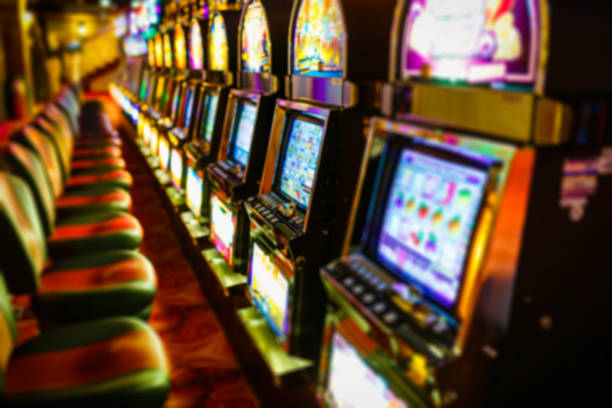
The influence of social settings adds another layer to this thrill. Casinos are designed to foster an environment filled with energy and exuberance. The sounds of ringing slot machines, the cheers from table games, and the general ambiance create a stimulating backdrop that amplifies the thrill of uncertainty. Engaging in gambling within this vibrant social context enhances emotional responses, making the experience even more compelling for players. The collective energy in a casino can heighten individual excitement, making each bet feel like part of a larger communal event.
Psychological Rewards and the Brain
Engaging in gambling activates multiple areas of the brain associated with reward processing. The release of dopamine, a neurotransmitter linked to pleasure and motivation, occurs when players win, even if the win is small. This reaction reinforces the behavior, making players more likely to return for another round of gaming. The anticipation of winning further heightens dopamine levels, establishing a cycle where the brain craves more of this rewarding stimulation. As such, even the possibility of winning can become intoxicating to many individuals, creating a powerful drive to continue playing.
This dopamine release not only impacts immediate feelings of pleasure but also creates long-term behavioral patterns. Regular gamblers often find themselves returning to casinos with the hope of replicating that initial high. Furthermore, studies have shown that even a near-miss—where a player comes close to winning but does not—can elicit similar brain responses to actual wins. This means that the thrill of play remains compelling even in the absence of success, as the mind seeks to relive those feelings of hope and excitement. The brain’s wiring for reward can lead to a cycle of play that is hard to break.
The psychological rewards of gambling extend beyond mere financial gain. Many players report feelings of accomplishment and empowerment when they engage in strategic gameplay, such as poker. The mental challenge and competitiveness foster a sense of achievement that complements the financial wins. This multifaceted reward system is part of why casinos remain such popular destinations; they offer not just potential financial rewards but also a rich tapestry of psychological benefits. The blend of excitement, strategy, and social interaction makes gambling a unique form of entertainment that appeals to a wide audience.
Social Dynamics and Gambling
Gambling is often viewed as a solitary activity, but it is inherently social in nature. The communal aspect of casinos allows individuals to connect with others who share similar interests and passions. Whether at a poker table or during a bingo game, the shared experience fosters camaraderie among players. Engaging with others can lead to friendships and a sense of belonging, which enhances the overall enjoyment of the gambling experience. This social dynamic plays a significant role in why people are drawn to casinos and can even influence individual gambling behavior.
Furthermore, casinos are designed to encourage social interaction through various amenities and setups. Many establishments feature lounges, bars, and restaurants, creating spaces where patrons can mingle and celebrate their wins together. These social interactions can make the experience feel more rewarding and enjoyable, as players can share stories, strategies, and advice with one another. The thrill of gambling is often amplified by the conversations and shared excitement that occurs within the casino environment. Such connections can deepen the experience, making players more likely to return.
Moreover, social influences can also affect gambling behavior. Friends and acquaintances can motivate individuals to gamble, impacting their decisions and risk-taking attitudes. The desire to fit in, impress peers, or simply enjoy a night out can push individuals to engage in gambling activities they may not have pursued alone. This blend of social connection and gambling is a compelling factor in the enduring popularity of casinos. The social fabric of gambling enhances the experience, creating a sense of community among players that is hard to replicate in other forms of entertainment.
The Allure of Escape
For many, gambling serves as an escape from everyday life and its stresses. The immersive environment of a casino allows players to temporarily forget their worries and immerse themselves in a world filled with excitement and possibility. This escape is particularly appealing in today’s fast-paced society, where work and personal pressures can be overwhelming. The allure of stepping into a vibrant and dynamic space provides relief and distraction, transforming the mundane into a thrilling fantasy. Casinos can become a refuge where the normal rules of life are suspended.

The ability to change one’s mindset and atmosphere by entering a casino can be incredibly liberating. Individuals often look to gambling as a means to break free from the routine of daily life. The visually stimulating design of casinos, with their brilliant lights, engaging sounds, and opulent decor, heightens the sense of adventure and novelty that many seek when looking for an escape. This transformation fosters an environment where one can fully engage in the moment, leaving behind the stresses of everyday life for a time.
Additionally, the narratives crafted around casinos often depict them as places where dreams come true, further enticing individuals to partake. Media portrayals of glamorous lifestyles associated with gambling can shape perceptions, making the experience seem even more desirable. The combination of escapism through thrilling gameplay and the potential for extraordinary wins captivates players. This desire for an escape, combined with the allure of winning big, makes casinos a popular choice for those searching for an exhilarating break from reality.
Understanding Gambling Through Responsible Play
While the excitement of casinos can be alluring, it is essential to approach gambling with an understanding of its psychological ramifications. Recognizing the emotional highs and lows associated with gambling is crucial for ensuring a balanced experience. As players engage with the thrill of uncertainty and the social dynamics, it is vital to maintain awareness of one’s limits and the potential for gambling-related issues. Responsible play promotes a healthier approach to engaging with casinos and helps prevent harmful behaviors from developing.
Many casinos are now implementing programs to educate players about responsible gambling practices. These initiatives aim to foster informed decision-making and discourage excessive gambling. By understanding the psychological mechanisms at play, players can better navigate their experiences and enjoy the entertainment casinos offer without falling into detrimental habits. Awareness of triggers and employing strategies to manage one’s play can lead to a more enjoyable and safer gambling experience. This proactive approach helps balance enjoyment with responsibility.
Ultimately, the psychological allure of casinos will continue to draw individuals seeking excitement, social connections, and escape. By promoting responsible gambling practices and understanding the complexities of human psychology, the industry can ensure that this captivating form of entertainment remains enjoyable for all. Balancing the thrill of the game with an awareness of personal limits can help players navigate their experiences in a healthy and fulfilling way, allowing them to savor the excitement while minimizing potential risks.